PROJEKTA2
What PROJEKTA2 is
Read more about the studio
A studio between art, design and computation
PROJEKTA2 is an independent studio founded by Alexandre Iglesias in 2019. Its work sits at the intersection of generative art, computational design and interactive digital experiences.
The studio develops visual structures and digital environments whose outcome is not entirely predetermined. Rather than designing only a final image, it defines systems of rules, relationships and parameters capable of producing forms, variations and behaviours.
This approach makes it possible to create digital works, interactive installations and visual experiences designed to respond to different conditions: a person’s movement, an interaction, the passage of time or the internal evolution of a process.
Each project starts from a specific line of research. Technology is not a decorative element but the medium through which the logic of each experience is built and run.
What we do
— Digital works by Alexandre Iglesias
Explore the works of Alexandre Iglesias →
— PROJEKTA2 living systems
Explore PROJEKTA2’s living systems →
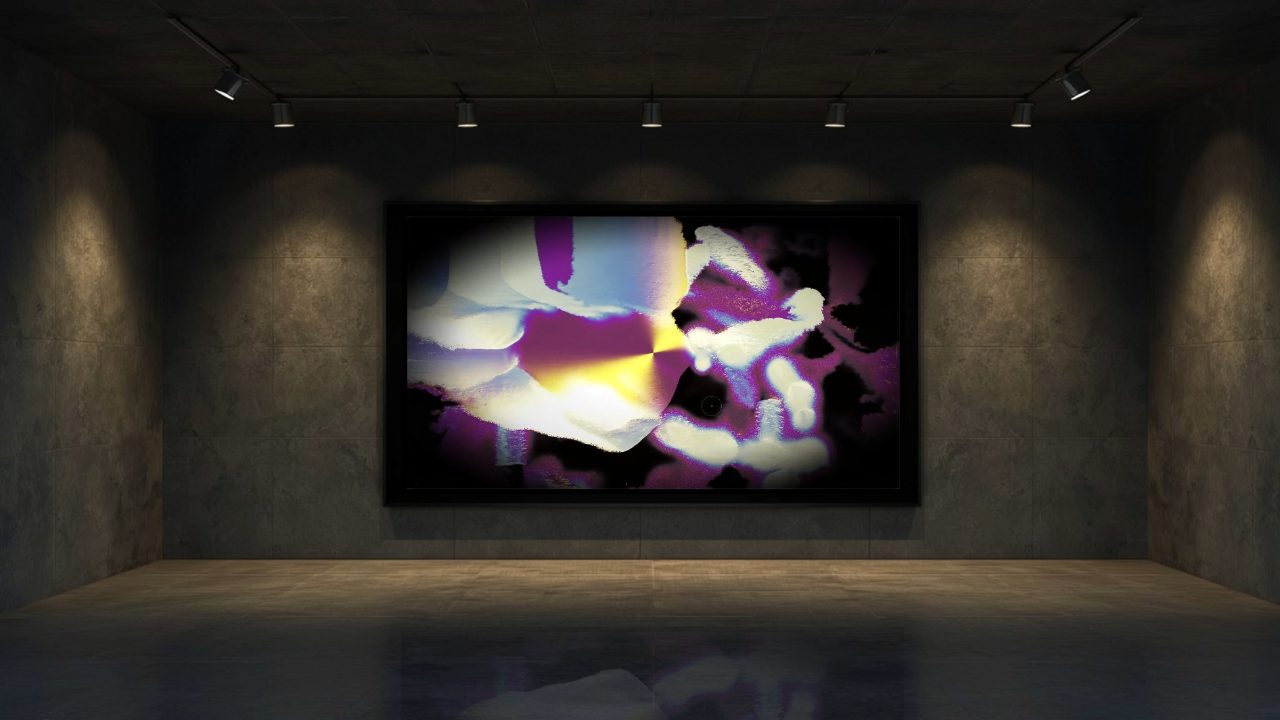
What the studio develops
Areas of work
The studio works in four related areas:
Generative art
Creation of digital works from algorithmic systems.
See more
Forms, compositions and transformations emerge from rules and parameters defined for each work. The result may vary over time or respond to certain operating conditions.
Interactive installations
Design of digital experiences in which the presence or actions of the audience shape the behaviour of the system.
See more
Interaction is built into the structure of the installation and determines how the experience unfolds.
Computational design
Development of visual structures through creative coding.
See more
Relationships between form, movement, behaviour and space are explored to build solutions that do not depend on a fixed graphic composition.
Audiovisual and digital environments
Creation of experiences that relate image, sound, movement and time.
See more
These environments can run on screen or be adapted to exhibition and spatial contexts, depending on the characteristics of each project.
Living systems
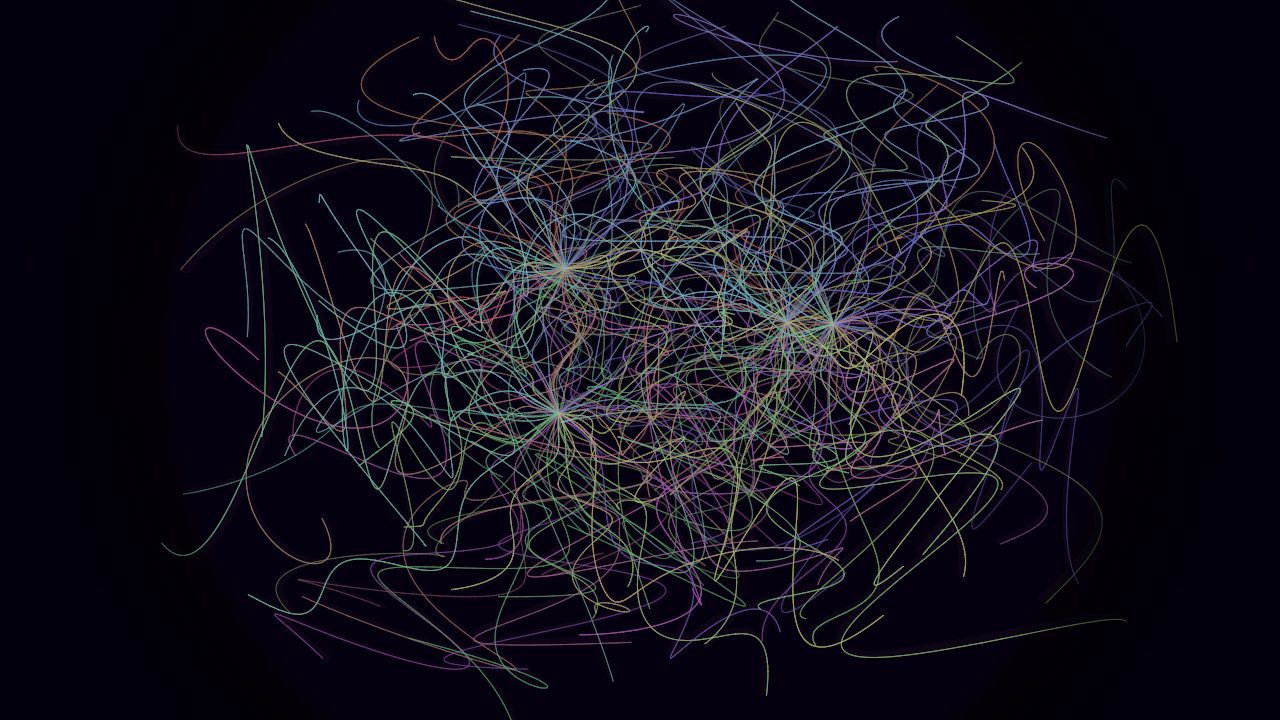
Filament Void
A generative field of filaments and visual tensions.
See more
The structure explores how the relationships between its elements produce changing configurations, creating a digital environment in constant transformation.
Synesthesia Quantum
An audiovisual system that relates sound and image through generative processes.
See more
Its components influence one another to build an experience in which the visual and the sonic dimensions are part of a single behaviour.
Liquid Realities
A fluid digital-matter environment in which forms reorganise through interaction.
See more
The project investigates the transformation of visual structures and the relationship between movement, response and perception.
Inevitable Judgment
A real-time digital installation built with shaders and a state-machine architecture.
See more
Its behaviour unfolds through transitions and internal conditions that determine how the experience evolves.
Ephemeral Garden
A generative environment that explores the appearance, evolution and disappearance of forms.
See more
The system builds a temporary digital landscape in which visual configurations change over time.
Consequence Field
An interactive installation developed in WebGL and accompanied by generative audio.
See more
The audience’s presence changes how the system evolves and builds tension during the session, until it reaches its end.
How we work
- — Structural authorship Each project begins by defining its own logic, not by applying an appearance
- — Behaviour Movement, response and transformation determine how each project exists
- — Context Scale, space and the presence of the audience are part of how it is conceived
How a project develops
From concept to behaviour
Every project starts with a question, an intention or a specific need. From there, the studio develops a process that connects conceptual research, visual design and programming.
See the four phases
-
01
Research and context
We study the project’s purpose, the space where it will be developed, the audience it addresses and the technical and visual conditions it must meet.
-
02
System definition
We establish the logic that will shape the experience: rules, relationships, parameters, behaviours and possible responses. This structure is the conceptual and functional foundation of the project.
-
03
Development and experimentation
Prototypes and tests are built to observe how the system behaves. Programming and visual experimentation make it possible to fine-tune its relationships, transitions and responses.
-
04
Implementation
The system is prepared for its context of use. Depending on the project, it can take the form of a digital work, an interactive experience, an installation or an audiovisual environment.
Not every project needs the same phases or the same resources. The process adapts to the nature of each proposal.
Technology and formats
Technology in service of the system
PROJEKTA2 uses creative coding and computer graphics tools to develop digital experiences with their own behaviours.
Nature of the work
PROJEKTA2’s works are conceived and developed in native digital environments. Their presentation can take different formats, from on-screen display to installations and interactive environments, depending on the characteristics of each project.
- Digital works conceived for screens.
- Interactive installations for exhibition spaces.
- Generative audiovisual environments.
- Digital experiences adapted to cultural, architectural or institutional spaces.
Each proposal is studied in relation to the space, the context and the technical conditions required for its presentation.
More on technology and feasibility
Depending on the needs of each project, the work may integrate generative graphics, shaders, WebGL environments, interaction systems and audiovisual processes.
The choice of technology depends on what the work needs to do and the context in which it must operate. We do not start from a technology and look for an application; we start from an idea and the structure needed to develop it.
Who is behind it ALEXANDRE IGLESIAS · FOUNDER · GENERATIVE ARTIST · DESIGNER · CREATIVE DIRECTION
Full background on Alexandre Iglesias’s page →
Collaborations
See examples by context
Projects conceived for each context
The studio collaborates with professionals, institutions and organisations that want to develop a digital experience with its own identity and behaviour.
In a museum or cultural centre, a generative system can become an installation that invites the audience to explore a work through presence and interaction.
In a gallery or exhibition space, a digital work can be integrated into the visitor’s route and establish a specific relationship with the architecture, light and scale of the place.
In an architectural or spatial project, a computational environment can add a visual, dynamic dimension that engages with the characteristics of the space.
It is also possible to develop specific projects for brands and organisations that need an original digital experience, far from pre-designed visual solutions.
Each collaboration is studied from its purpose, its conditions and the system that can best respond to them.
Professional information
Alexandre Iglesias (Girona, 1981) is a generative artist, designer and the founder of PROJEKTA2 (2019). Trained in graphic design and with more than twenty years of experience, he is also an illustrator and mixed-media artist, with exhibitions in Málaga and in private shows and work published in national and international magazines. He worked for agencies and brands and ran his own studio, IGLEDESIGN (2012–2019), extending his practice into interactive design, animation and advertising spots. Since 2024 he has focused his work on generative art and living systems, working with code and behaviour rather than fixed images. His Kintsugi Digital series —Kintsugi I, Wabi and Yūgen— consists of three unique works, edition 1/1.

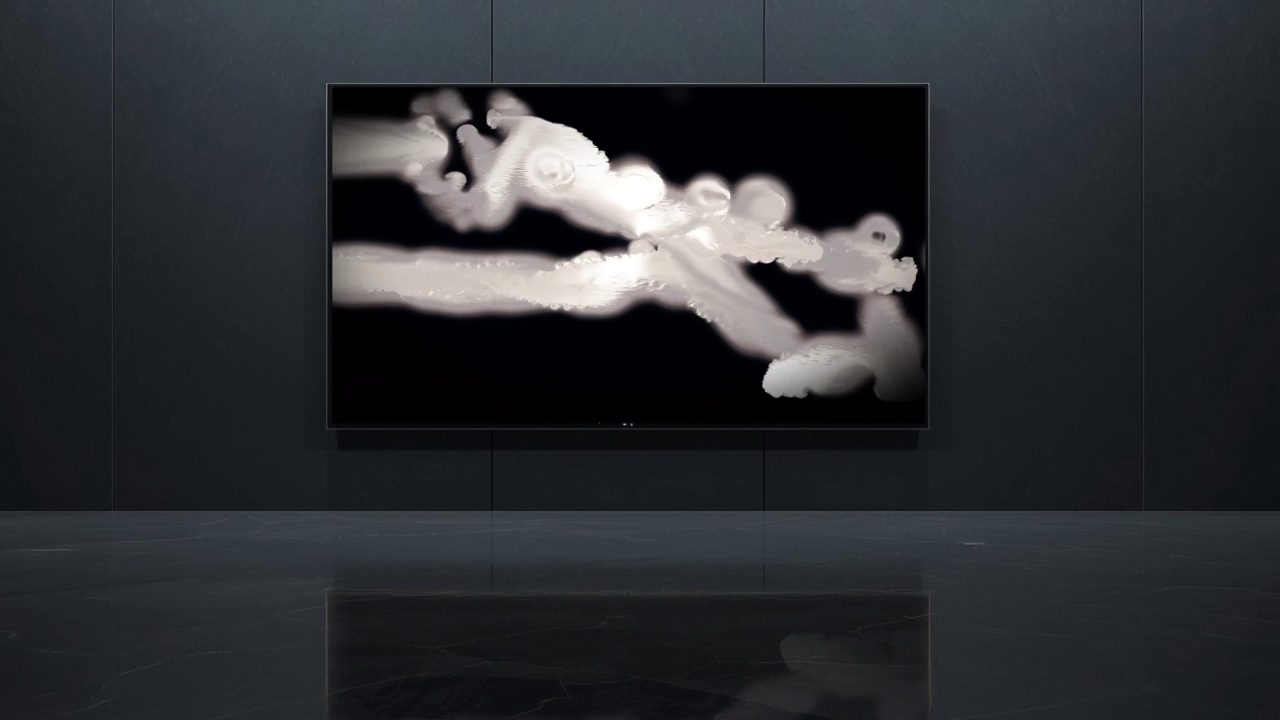
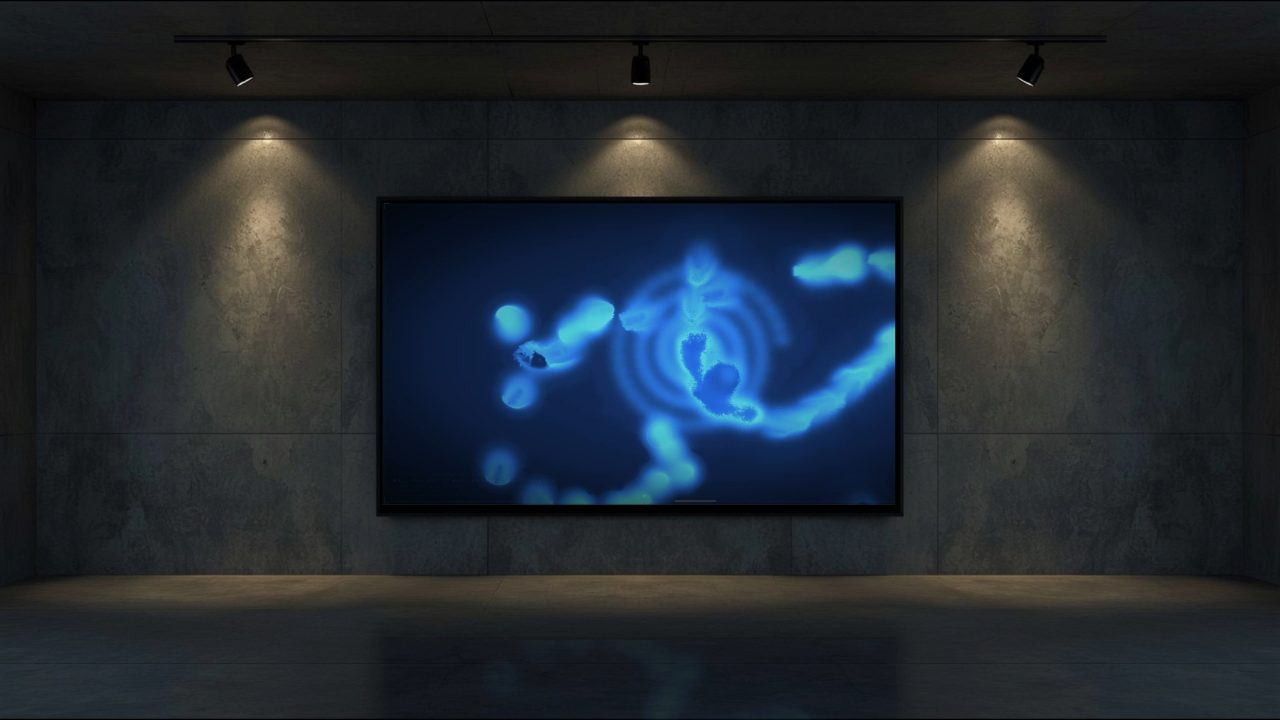



Images: web resolution, free to use crediting “Alexandre Iglesias / PROJEKTA2”. High-resolution files, video captures and the full dossier available on request · Dossier · Contact
Frequently asked questions
What is generative art?
It is an artistic practice in which a work is created through systems of rules, algorithms or processes defined by the artist. Instead of manually determining every detail of an image, a structure is designed that is capable of producing forms, variations and behaviours.
What is the difference between a digital work and a PROJEKTA2 living system?
The digital works of Alexandre Iglesias are creations of artistic authorship. Living systems are projects developed by the studio to explore digital behaviours and experiences. They may have different aims, operating conditions and forms of interaction. Not all of them are unique works, and not all of them operate irreversibly.
Are the projects always interactive?
No. Some systems respond to the audience’s presence or actions; others evolve through generative or temporal processes without requiring direct interaction. The behaviour depends on how each project is conceived.
Can installations be developed for museums or cultural spaces?
Yes. PROJEKTA2 considers proposals for museums, galleries, cultural centres and other spaces. Each installation requires assessing the context, the scale, the technical conditions and the experience to be developed.
Is it possible to commission a bespoke project?
Yes. The studio reviews collaboration proposals, specific commissions and digital developments. The scope, process and requirements are defined from each project.
How can I request information or a dossier?
You can contact the studio to submit a proposal, request professional information or ask about the conditions for acquisition, commission and exhibition. Information is provided according to the nature of each enquiry.