Do the maths once and it stays with you: you turn 10,000 days old at around 27. At 55, about 20,000. An 80-year life comes to roughly 29,200. Counted in days, time stops being abstract and becomes something you could almost count on your fingers.
This fragment comes with ORA, the new generative experience by PROJEKTA2, which draws a life with one line for every day lived. Before you see it, a simple question.
The count happens in your browser: your date is sent nowhere.
See those days drawn in ORA →To know how many days you have been alive, subtract your date of birth from today; the interesting part comes after, when each of those days stops being a number and becomes a line with its own light.
How to work out how many days you have lived
The exact count is the difference between two dates, your birth and today, counting both days. Leap years take care of themselves, because you are counting real calendar days rather than multiplying years by 365. As a quick guide:
- 10,000 days ≈ 27 years and 4 months.
- 15,000 days ≈ 41 years and 1 month.
- 20,000 days ≈ 54 years and 9 months.
- 30,000 days ≈ 82 years and 2 months.
Some people celebrate their 10,000th day as a second birthday. It makes sense: a round number nobody reminds you of.
Nulla dies sine linea: no day without a line
The phrase that opens ORA is more than two thousand years old. Pliny the Elder tells in his Natural History that Apelles, the most celebrated painter of ancient Greece, made a habit of never letting a day pass without drawing at least one line, however busy he was. The anecdote became a Latin proverb: nulla dies sine linea.
For centuries it has been read as advice on discipline for artists. ORA turns it around and takes it literally: every day of your life already is a line. You do not have to draw it; it is already there.
Why a life is not a straight line
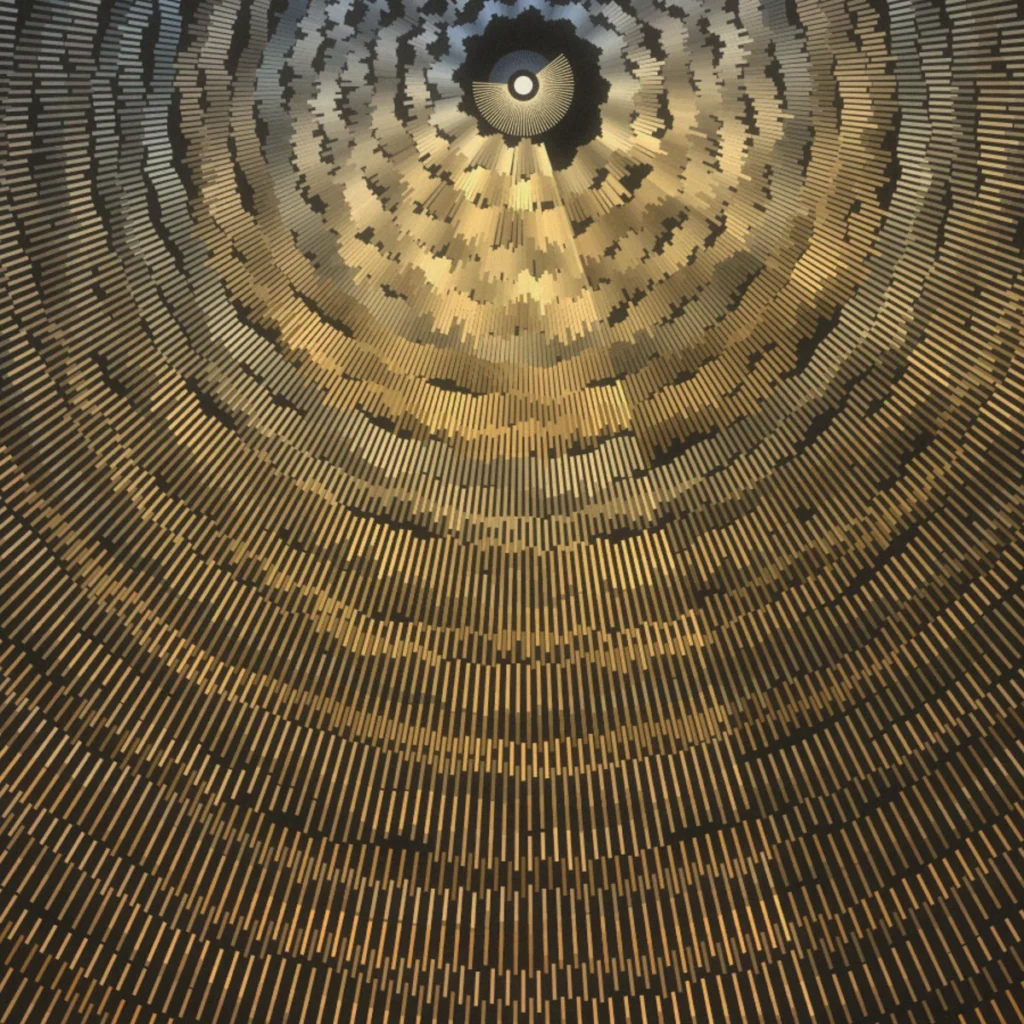
A conventional timeline puts the years in a row, all alike. But no two days are quite the same. At latitudes like Barcelona’s, the longest day of the year has about fifteen hours of light and the shortest just over nine. The Moon completes its cycle every 29.5 days, and a 40-year-old has seen around 495 full moons.
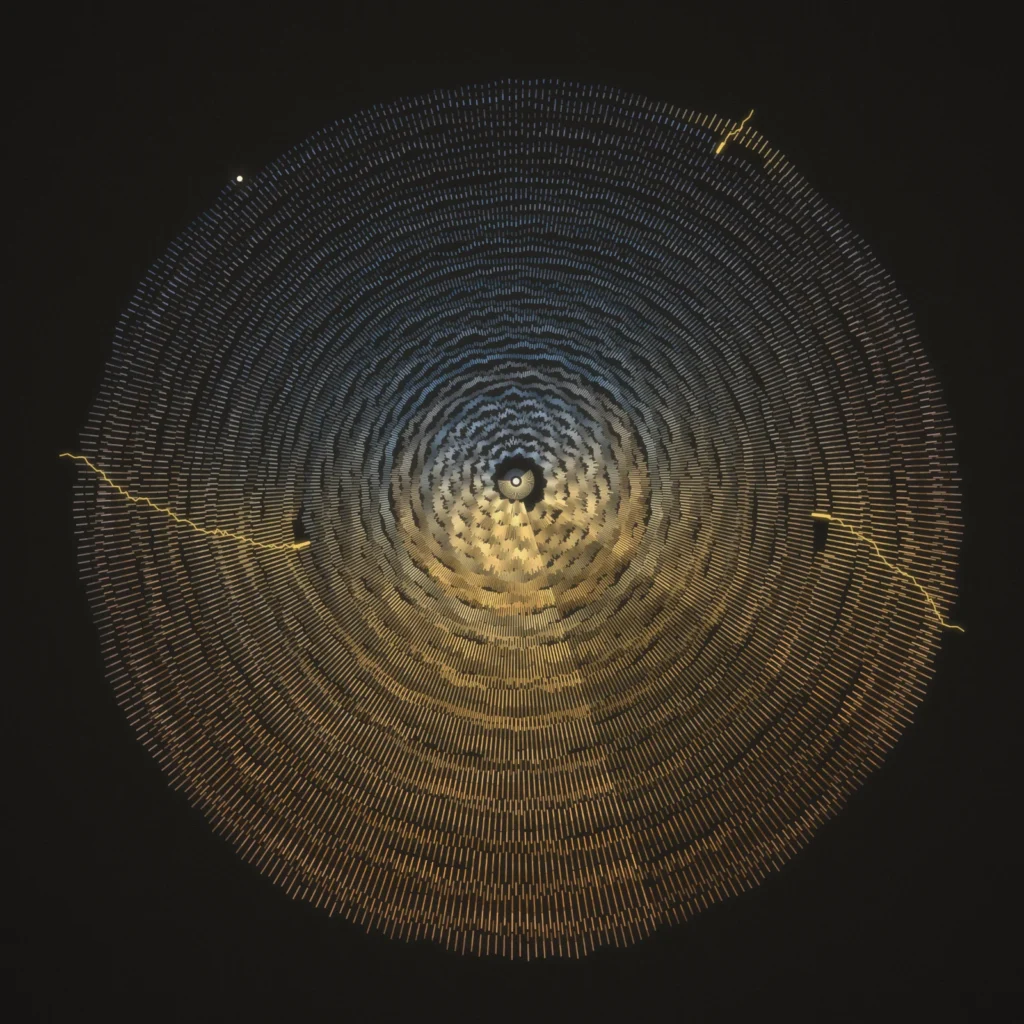
ORA uses both variations as its material: the length of each stroke translates that day’s relative daylight in the place you choose, and its brightness follows the lunar phase. The path grows as a spiral, one turn per year: January at the top, the seasons around it. That is why every composition is different, even for two people born on the same day in different cities.
The dates that changed you, sewn in gold
Some days weigh more than others. In ORA you can mark them: a move, a birth, an ending. That date breaks the line on that day and transforms the material at the same angle in every later year, fainter each time, like a repair that stays visible. The idea speaks to kintsugi: the break is not hidden, it is sewn in gold.
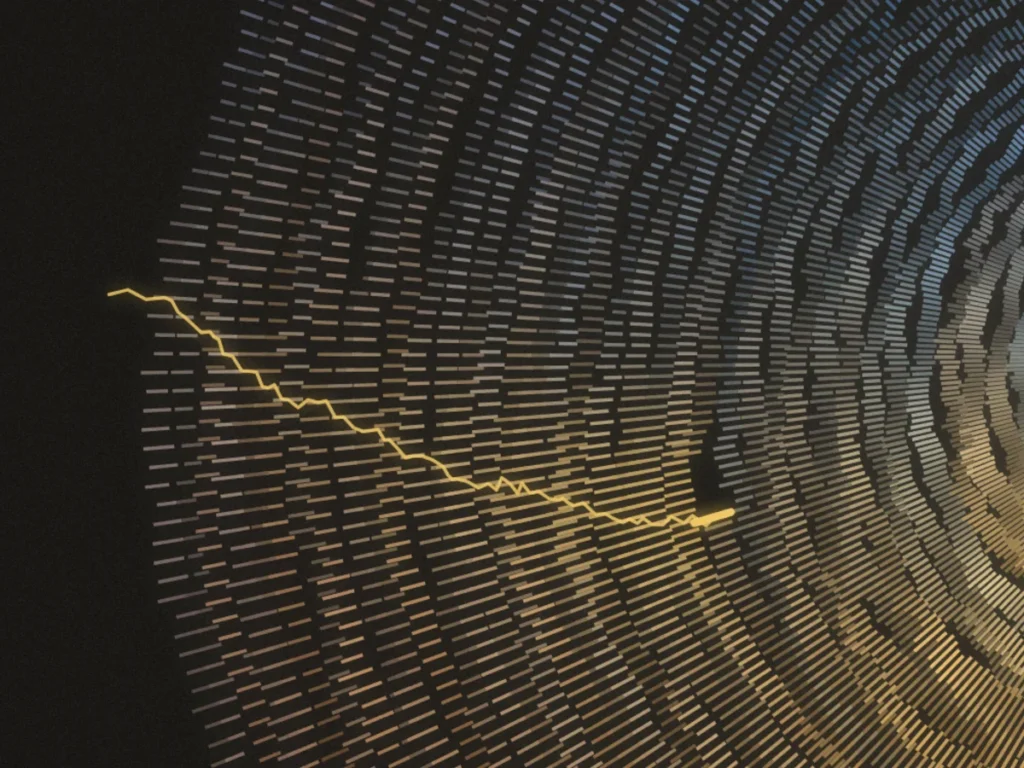
ORA interprets nothing. Only what you write appears, and afterwards you can read your path as a small chronology: the date of each trace, how old you were, and the time between one and the next.
From a number to a work
Visualising a life is not a new idea. In 2014 Tim Urban popularised the grid of a life in weeks, which many people print out to cross off boxes. ORA goes the other way: it does not ask you to count what is left, but to look at the shape of what you have already lived. The future is not drawn.
The result can be kept: a 3000 × 3750 px plate in night or paper versions, a single-ink SVG for pen plotters, and an ORA file with your details to rebuild the same composition on another device. Everything happens in your browser; no personal data is sent to a server.
Frequently asked questions
How do I work out how many days I have been alive?
Subtract your date of birth from today’s date, counting real calendar days including leap years. The calculator in this article does it in your browser without sending your date anywhere.
How many days are 80 years?
About 29,220 days, depending on how many leap years the period includes.
At what age do you turn 10,000 days old?
At roughly 27 years and 4 months.
What does “nulla dies sine linea” mean?
“No day without a line.” It comes from an anecdote Pliny the Elder tells about the painter Apelles, who drew at least one line every day. Over time it became a proverb.
Does ORA keep my data?
Only in your own browser, so you can come back to your composition. No personal data is sent to a server, and you can keep a copy with “Save ORA file”.